Style for Petite Professional Women

Style for Petite Professional Women

Elevate Your Style: Key Outfit Ideas for Powerful Petite Women

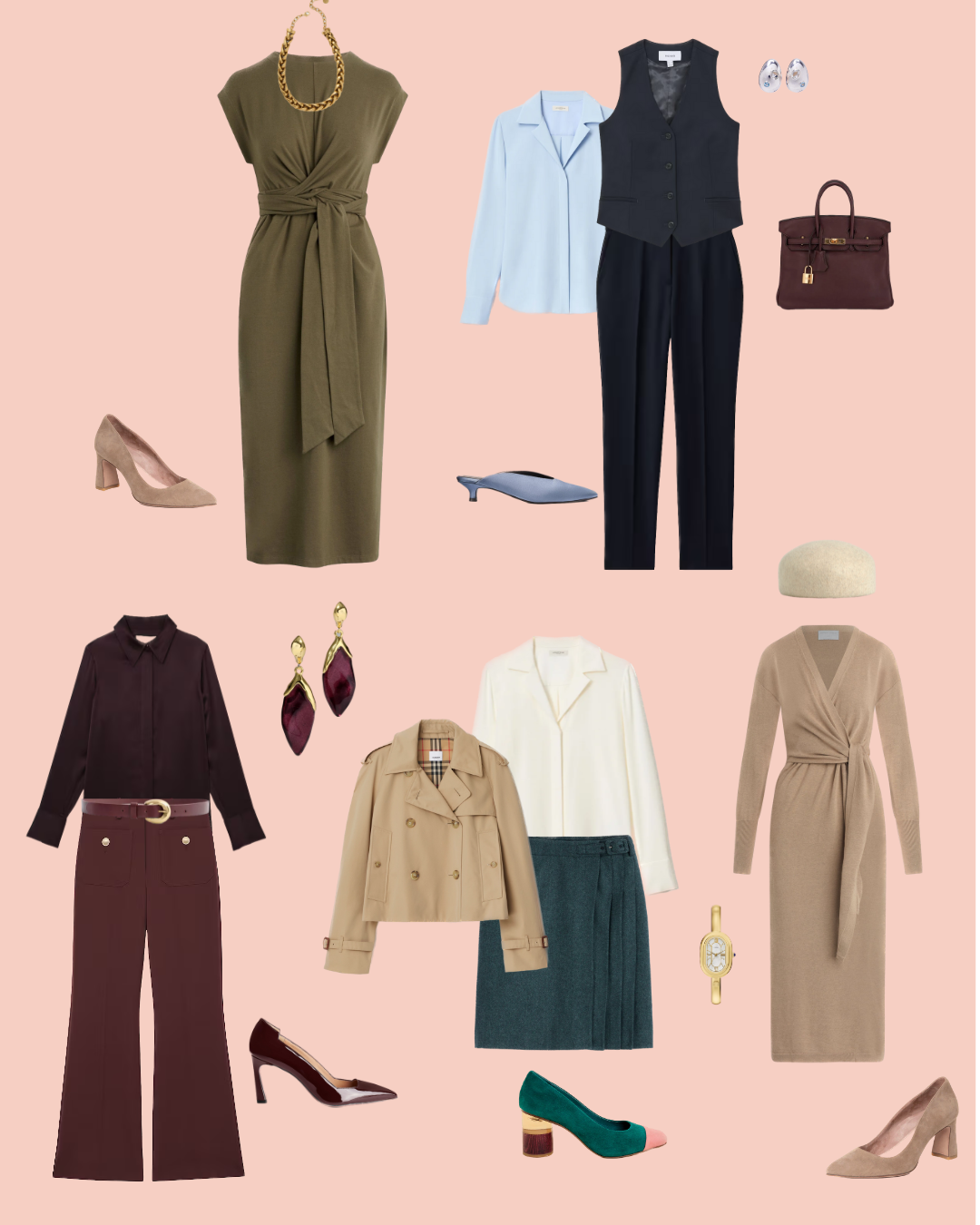
The fashion industry certainly does not make it easy for the petite women of the world. For women under 5’5” finding the perfect fit can be a challenge, and we all know the mall can be an overwhelming place. However, while it may seem daunting, there are lots of options out there for the petite ladies. Dressing for a petite frame doesn’t mean limiting your wardrobe—it means making strategic choices that highlight your favorite features, make you feel confident, and elevate your personal style. For professional women, the right pieces can create a commanding presence, whether in the boardroom, at client meetings, or at events. Here’s how to curate a polished, luxurious wardrobe tailored for petite figures. Our goal, at Refined, is to eliminate the struggle of getting dressed each day, save you time, and make getting dressed effortless and fun. 
1. Tailored Separates for Maximum Impact

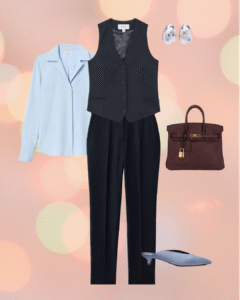
Structured tailoring is your best friend. No matter what your size, pieces tailored to see close to your body, create structure and balance to your look. High-quality blazers and trousers create clean lines and elongate the body. Properly combining tailored, structured pieces creates a sleek, modern silhouette. Look for jackets hit at the waist, not below the hip bone, to avoid overwhelming your frame.

Pro Tip: Tuck in blouses or tops to define your waist and create vertical continuity.
2. Dresses That Flatter

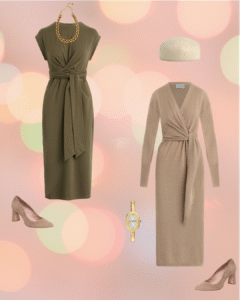
Wrap dresses, sheath dresses, and A-line silhouettes are perfect for petite figures. Solid colors can create a seamless line from shoulder to hem. Aim for hemlines that hit just above the knee or mid-calf as an appropriate professional option; pair with nude pumps or pointed-toe heels to visually elongate your legs.
3. Monochrome and Coordinated Looks

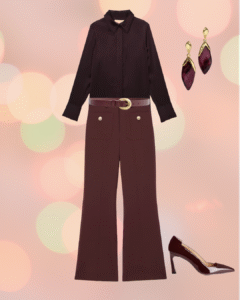
Wearing one color or tonal variations of a color can have an elongating effect on your overall silhouette, all while being effortlessly sophisticated. For instance, a cream silk blouse tucked into tailored ivory trousers, finished with beige loafers or heels, creates a streamlined, elevated look. Knowing which colors are best suited to your complexion can help in selecting monochrome or tonal outfits that will bring out your natural beauty and brighten your face, giving you an air of authority and professionalism. Navy, camel, and black are wardrobe anchors that are easy to match up for a seamless monochrome look. 
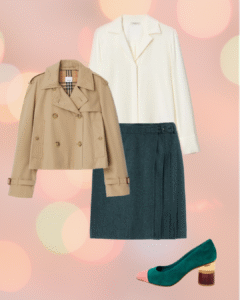
4. Luxury Fabrics that Flow

Petite frames benefit from fabrics that drape elegantly. Soft wools, silk, and fine cotton blends ensure your clothing moves with your body without adding bulk. A silk blouse, paired with a lightweight wool pencil skirt is a combo that demonstrates understated luxury and professional polish.
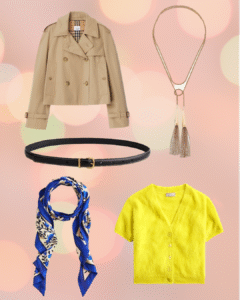
5. Strategic Layering and Accessories

Layering adds dimension, but proportion is key. Cropped jackets, boleros, or fitted cardigans paired with high-waisted bottoms maintain balance. Accessories like slim leather belts, structured handbags, or delicate long-chain necklaces can draw the eye vertically, subtly elongating your frame.
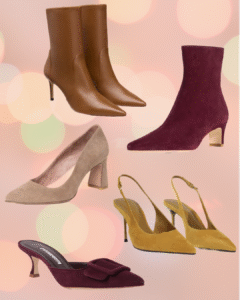
6. Footwear for Height and Confidence

Heels, ankle boots, or pointed-toe flats in nude extend your leg line. Consider Manolo Blahnik pumps or Stuart Weitzman nude boots for versatile, long-lasting, luxury options. Avoid overly chunky shoes that can make a petite frame look shorter or heavier.
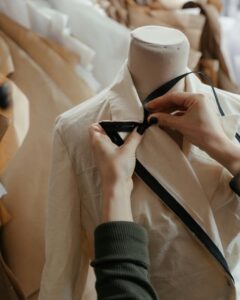
7. Tailoring is Non-Negotiable

Even luxury pieces often need adjustments. Petite-friendly alterations ensure sleeves, hems, and waistlines fit perfectly, creating a cohesive, elevated appearance. Refined offers tailoring services as part of any shopping package, to ensure every piece has the best fit. Finding a tailor with experience and skill is so important for those with petite frames—this investment pays dividends in style and confidence.

Dressing strategically is an investment in presence. Prioritize tailored silhouettes, monochromatic palettes, luxurious fabrics, and proportion-conscious accessories. Every outfit should not only fit flawlessly but communicate sophistication, confidence, and personal authority. When your wardrobe is aligned with your frame and your lifestyle, every entrance becomes an opportunity to leave a lasting impression. Check out a list of our favorite petite friendly retailers:
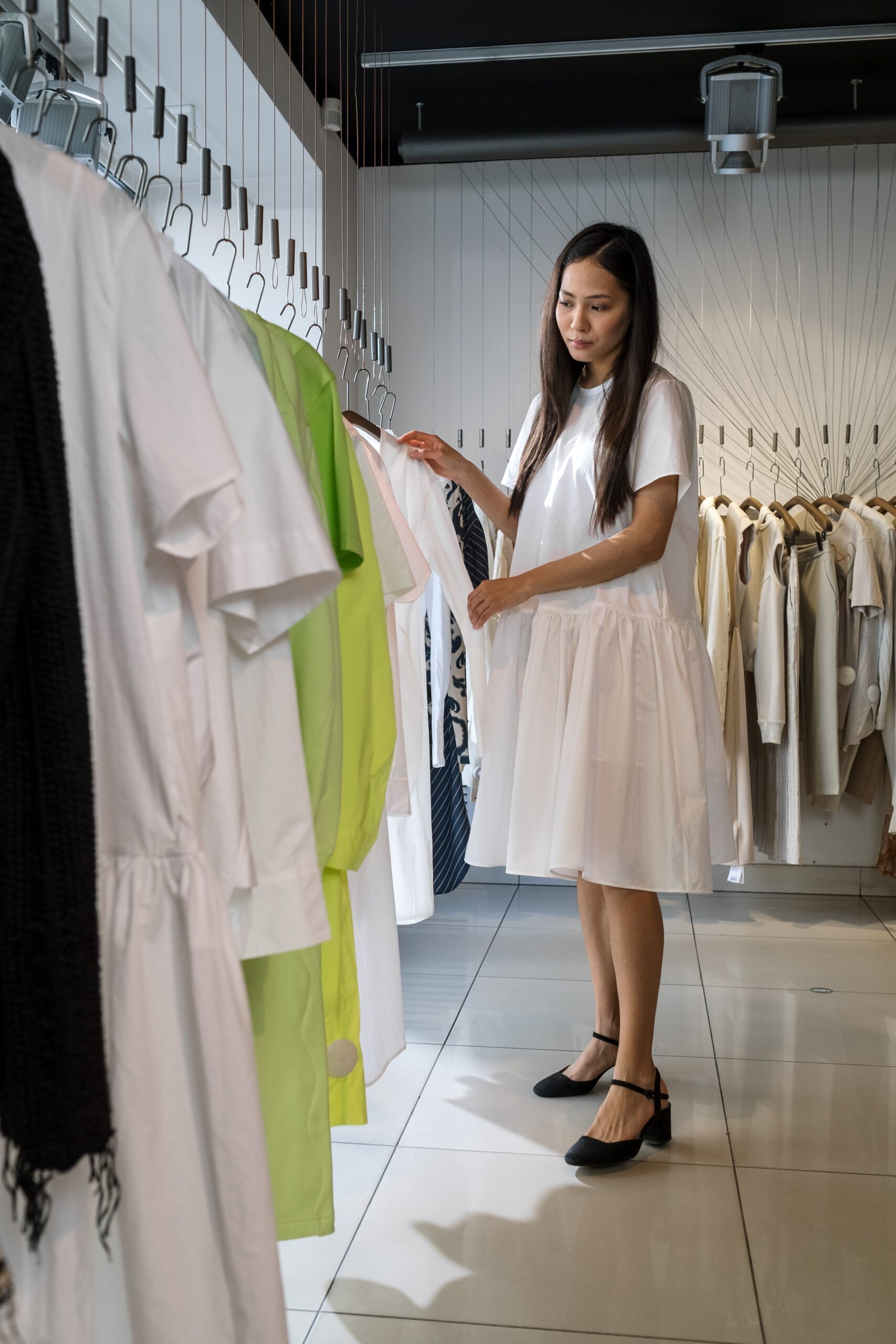
Anthropologie

Boden

Christy Dawn

COS

Eileen Fisher

Eloquii

Favorite Daughter

Good American

Karen Kane

Karen Millen

Lafayette 148

Land’s End

Levi’s

Marcella NYC

Modern Citizen

Never Fully Dressed

Nobody’s Child

Petite Femme

Reformation

Reiss

River Island

Ruti

SeamsFriendly

Universal Standard

Read more
shopping

Understanding Fast Fashion

Understanding Fast Fashion

Fast fashion refers to a trend in the fashion industry that involves the rapid production and sale of low-cost clothing, often in response to the latest trends. While this might seem like a good thing for consumers who want to stay up-to-date with fashion without breaking the bank, it has significant negative environmental impacts.

The production of fast fashion relies on cheap labor and low-quality materials, which means that it often results in poor working conditions for workers and excessive waste. According to the United Nations Environment Program (UNEP), the fashion industry is responsible for 10% of global greenhouse gas emissions and is the second-largest consumer of water worldwide. Fast fashion is a significant contributor to these negative environmental impacts, as it involves producing large quantities of clothing quickly and cheaply, often using synthetic fibers that are not biodegradable.

One of the most significant environmental impacts of fast fashion is the amount of waste it generates. Clothing that is produced cheaply and quickly is often designed to be disposable, with a short lifespan before it is discarded. According to a report by the Ellen MacArthur Foundation, the equivalent of one garbage truck of textiles is wasted every second globally, with the majority of these textiles being sent to landfill or incinerated.

The production of fast fashion also has significant water and chemical usage. The textile industry is the second-largest polluter of clean water globally, with the production of one cotton t-shirt requiring 2,700 liters of water. Additionally, the use of chemicals in textile production has significant negative impacts on the environment and workers in the industry. The production of synthetic fibers involves the use of fossil fuels, contributing to greenhouse gas emissions.

The good news is that there are steps consumers can take to reduce their negative impact on the environment when it comes to clothing choices. One of the most significant steps is to reduce the overall amount of clothing purchased. By choosing high-quality, long-lasting pieces, consumers can reduce the amount of clothing they need to buy over time. Additionally, buying second-hand clothing is an excellent way to reduce the environmental impact of clothing production, as it prevents clothing from being sent to landfill.

When buying new clothing, consumers should look for sustainable and ethical fashion brands that prioritize environmental and social responsibility. These brands often use sustainable materials such as organic cotton, recycled polyester, and other natural fibers. Additionally, they often prioritize fair labor practices, which ensures that workers are paid fairly and provided safe working conditions. Refined is a huge fan of the website Good On You, which rates clothing brands based on their impact on society, animals, and the environment. 

Consumers can also reduce their environmental impact by properly caring for their clothing. This includes washing clothes in cold water, using natural and non-toxic laundry detergents, and air-drying clothes instead of using a dryer. Proper care can significantly extend the life of clothing, reducing the overall environmental impact of clothing production.

Finally, consumers can reduce the environmental impact of clothing by properly disposing of clothing they no longer need. Rather than throwing clothing in the trash, consumers can donate clothing to thrift stores or textile recycling programs. These programs either sell the clothing to fund charitable causes or recycle the clothing into new textiles, reducing the amount of clothing sent to landfill.

In conclusion, fast fashion has significant negative environmental impacts, including excessive waste, water usage, and chemical pollution. However, consumers can reduce their impact on the environment by reducing the overall amount of clothing purchased, buying second-hand clothing, choosing sustainable and ethical fashion brands, properly caring for clothing, and properly disposing of clothing they no longer need. By taking these steps, consumers can make smarter clothing choices that have a positive impact on the environment.

Browse the Good on You Database:

Read more